AI ImpactQF + Regen Coordination Global GG23 Retrospective
On behalf of ReFi DAO, Greenpill Network, and Regen Coordination
Overview
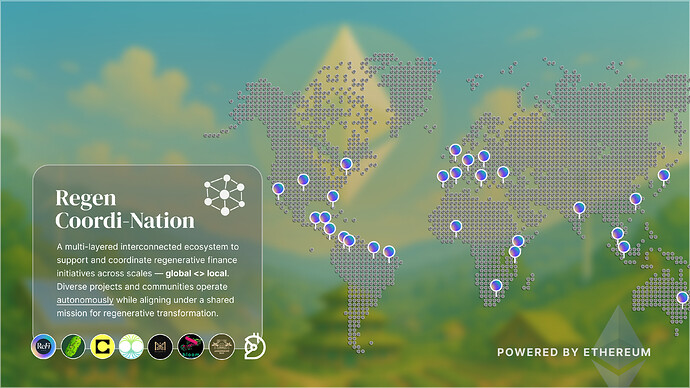
The Regen Coordination Global GG23 round distributed $96,000 in matching across 50 projects at the intersection of ReFi, Ethereum, and regenerative development.
Key Results:
- 579 unique donors
- $10,817 in contributions
- $90,000 in matching funds distributed, plus $6,000 allocated via DeepGov partnership
This global round ran alongside regional experiments in the Mediterranean and Rio de Janeiro, supporting a coordinated network of regenerative public goods funding. Altogether, these rounds allocated $159,732 across 2025 programs.
Case Study: AI ImpactQF
The round combined three innovations:
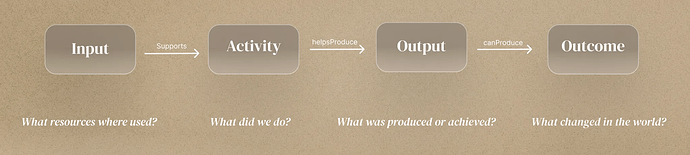
1) Common Approach to Impact Measurement
CIDS (Common Impact Data Standard) enabled structured, machine-readable impact data through:
- Flexible representation of any impact model
- Interoperability between systems and standards
- Integration of Impact Management Project dimensions
- Multi-platform consistency
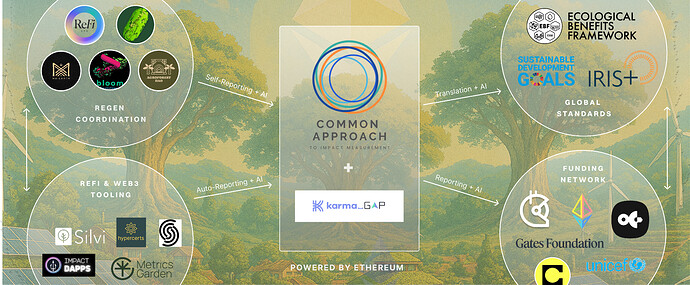
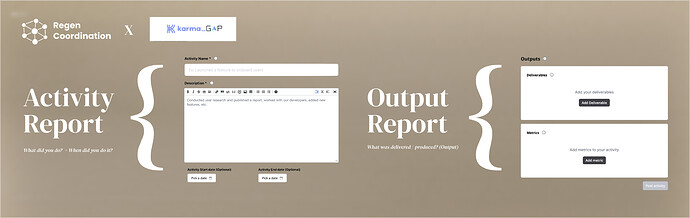
Regen Coordination supported integration into KarmaGAP, developing templates and multilingual guidance (Spanish and Portuguese) to help projects understand impact reporting.
2) AI-Augmented Evaluation
A hybrid process combined AI analysis with human judgment. Using GPT-4o and Claude 3.7 in separate environments, the team generated independent reports for all 50 projects, reducing model-specific bias.
Evaluations assessed five criteria:
- Increase ReFi Web3 awareness and adoption
- Increase Celo, Ethereum ecosystem activity
- Create or catalyze local ecological and social-economic impact
- Resources and maturity versus impact delivered
- Active goals, plans, milestones and objectives
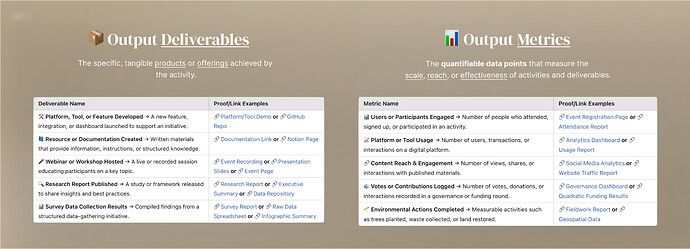
Each project received scores on a 1-10 scale with detailed narratives. A Coordination Council (ReFi DAO, Celo Public Goods, Greenpill Network members) then reviewed all AI reports, providing at least three independent human reviews per project.
This reflects the principle: "AI as the engine, humans as the steering wheel."
3) ImpactQF (Impact-Weighted Quadratic Funding)
The round implemented the first completed ImpactQF system, addressing how regular QF can become a popularity contest rewarding marketing over impact.
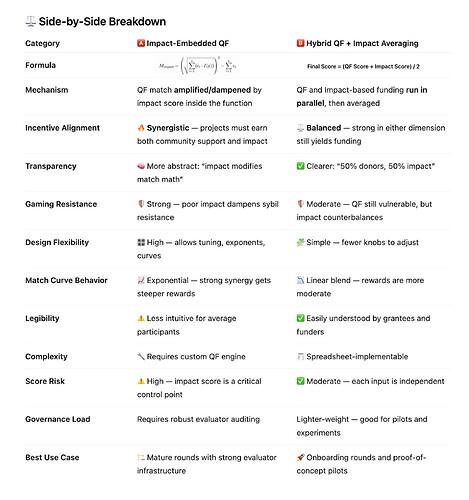
Hybrid Model:
- 50% COCM Score — default Gitcoin QF results reflecting donor uniqueness, clusters, and contributions
- 50% Impact Score — final evaluation score from AI reports and human reviewers
This balanced crowdfunding signal with evidence-based evaluation, though the Council noted that pure impact-embedded QF remains a future goal.
Results & Analysis
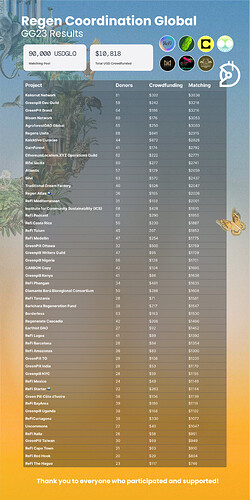
Key Trends:
Projects with strong community backing and high impact (Kokonut Network, Gainforest, Greenpill Dev Guild, Atlantis) received significant matching. High-impact but lower-donor projects saw allocations boosted through the process. A few projects with strong QF support but low impact scores saw relative allocations lowered.
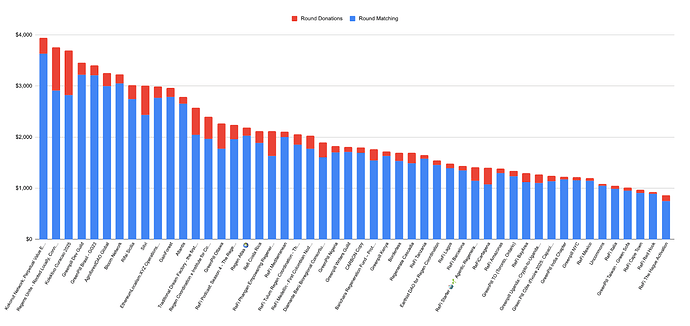
Observations:
- No extreme outliers; highest-matched project received under $4,000
- Substantial middle tier landed in $2,000-$3,500 range
- Reduced tail effect with most projects receiving >$1,000
- Funding spread more evenly across diverse approaches and regions
Testimonials:
"A great round and amazing to receive the feedback after evaluation" — @ReFiPhangan
"Good to see it going beyond wisdom of the crowds" — @solarpunkmaxi
Learnings & Reflections
1. Flattened Distribution = Greater Equity, But Less Variance
While the hybrid model avoided popularity contests, matching distribution was relatively flat with less differentiation between projects. Future evolution toward Impact-Embedded QF could allow greater reward variance while maintaining community voice.
2. Explore Differentiated Evaluation Tracks
The single rubric struggled serving local regenerative communities and digital public goods equally. Software teams, infrastructure builders, and place-based communities operate differently.
Future direction: Separate evaluation tracks or tailored rubrics allowing software to use metrics like usage data and dev activity, while maintaining strong standards for community work.
3. Impact Reporting Infrastructure Is Maturing, But Still New
GG23 was the first Karma GAP usecase with Common Impact Data Standard reporting. While foundational work was strong, early-stage challenges emerged around UX, data consistency, and reporting quality.
Path forward: Improve ease of use, deepen integrations with ReFi apps and onchain data, automate reporting processes.
4. AI-Enhanced Evaluation Is Ready
The dual-model approach produced consistent, high-quality reports supporting rigorous scoring and actionable feedback. However, current processes required manual data scraping, detailed prompt design, individual project cycling, manual review, and score compilation.
Next steps: Build agent-based review flows, deeper prompt tuning, automation and productization with KarmaGAP and DeepGov partners.
5. Increasing Cross-Pollination and Collaboration
Evaluations revealed high collaboration potential. Some projects showed strong local impact with limited onchain integration; others excelled in ReFi tooling but lacked community grounding.
Directions:
- Allow projects to attribute shared impact across collaborators
- Introduce peer review and endorsement tools
- Host collaboration-focused workshops
- Use the Regen Coordination Hub for cross-pollination
Next Steps & Future Vision
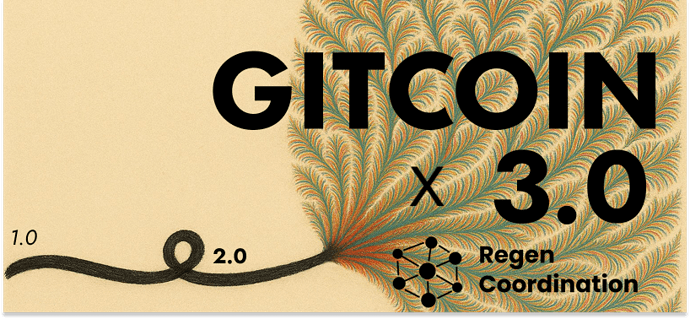
1) Strengthening Governance and Community Participation
Evolving from initial partnership (Celo Public Goods, Greenpill Network, ReFi DAO) toward transparent, participatory governance. Plans include launching a Regen Coordination Hub, regular coordination calls, and co-created documentation defining council roles and processes.
2) Automating and Productizing the ImpactQF Stack
With Gitcoin Grants Stack winding down, Regen Coordination explores an integrated stack combining:
- Karma GAP — core data layer with CIDS standardization
- DeepGov — AI agent workflows and evaluation interfaces
- Self.xyz — privacy-preserving identity verification for sybil-resistance
- Allo Protocol — underlying distribution contracts
- Mainstream payment integrations — cards, PayPal, Apple Pay for fiat onboarding
- Prosperity Pass and Divvi.xyz — track ReFi tool adoption and Total Value Flowed
3) Expanding a Global Network of Local Funding Rounds
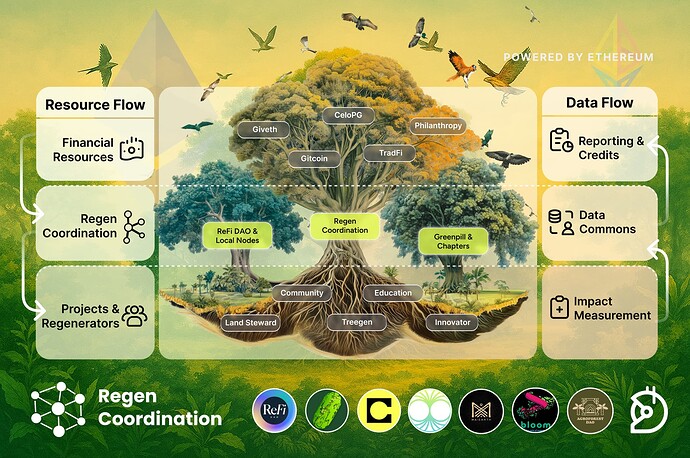
Regional experiments in the Mediterranean and Rio succeeded in mobilizing local donors and capital. The vision scales this into a cosmo-local network of bioregional rounds tailored to unique contexts yet aligned through shared values and infrastructure.
Within Gitcoin 3.0's Dedicated Domain Allocation, Regen Coordination aspires to lead on ReFi and Ethereum Localism. A structure like a Regen Coordination Grantship could coordinate local rounds while creating pathways to matching funds.
4) Cosmo-Local Capital Flows
Beyond crypto-native sources (Ethereum, Octant), opportunities exist blending Web3 infrastructure with local governance, public institutions, and place-based finance. This could unlock capital from municipal governments, public agencies, foundations, and institutions.
Live example: Partnership with Zazelenimo (urban greening in Split, Croatia) blending participatory funding with 3:1 local municipal match. Early institutional discussions include UNDP partnerships exploring onchain tooling alignment with global sustainability frameworks.
Vision
If Regen Coordination maximizes success, regenerative communities globally gain infrastructure, capital, and coordination systems to thrive. Funding flows transparently to verified impact through open-source, community-governed mechanisms—not opaque legacy institutions.
Billions in Total Value Flowed toward regenerative outcomes circulate local economies on Web3 rails. A global movement of place-based communities, open finance, and AI-augmented allocators drives systemic change.
We reshape capital flows, who they empower, and what they value. Bioregional networks flourish. Public institutions collaborate with DAOs. AI routes resources toward climate resilience, economic justice, and ecological repair at planetary scale.
The Allo will flow.