
Originally published: Allo Capital Research, May 2025
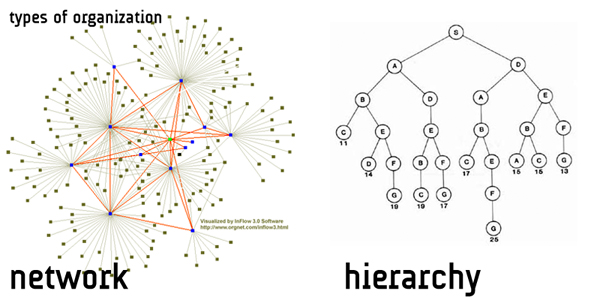
TLDR - Hierarchies offer stability but resist change, while networks enable innovation through distributed authority, lateral connections, and multidirectional information flows. DAOs use blockchain to create "networks on steroids" where code replaces managers. The future will blend hierarchy's clarity with network's flexibility.
Part I: Understanding Hierarchies
What Are Hierarchies, Really?
Hierarchies are like pyramids. Power sits at the top and flows down through clear reporting lines. Think of a traditional company org chart where everyone knows exactly who their boss is.
In hierarchies, communication usually travels up and down through official channels. People have specific job titles and specialized roles based on their position in the pyramid.
Why Hierarchies Work Well
Hierarchies shine when things need to be predictable and efficient. When you order at McDonald's, a hierarchy ensures your burger arrives fast and consistent every time.
Clear bosses and reporting lines mean everyone knows who's responsible for what. This clarity helps coordinate complex operations like manufacturing cars or running hospitals.
Specialized departments let people become experts in their area. This specialization drives efficiency in stable environments.
The Downsides of Hierarchies
Hierarchies can be frustratingly slow to change. Think about how many approval layers a new idea has to go through at a big company.
Information gets filtered as it moves up and down. The CEO rarely gets the full, unfiltered truth from the frontlines. People at the bottom often feel disconnected from decisions that affect them.
Part II: Understanding Networks
What Makes Networks Different?
Networks connect people directly to each other without going through central authorities. In networks, power and information flow through multiple pathways rather than up-and-down chains. People often have flexible roles based on what they're good at rather than formal position.
Coordination happens through mutual adjustment rather than top-down orders. It's like how open-source developers collaborate on projects without having a traditional boss.
The Power of Networks
Networks adapt quickly to changes. When COVID hit, networked communities rapidly formed to share information and resources while many hierarchical organizations struggled.
Innovation thrives in networks where diverse ideas can connect. People often feel more engaged in networks where they have real agency.
Where Networks Struggle
Coordinating without clear authority gets messy. It's why Bitcoin governance debates drag on forever while companies can make decisions quickly.
Without formal accountability, some network members can free-ride on others' contributions. Networks can struggle to maintain focus on long-term goals.
Part III: Comparing These Approaches
Performance Differences
Hierarchies crush it when you need reliability and consistency. Your package arrives on time because FedEx has a tight hierarchy ensuring every step happens as planned.
Networks excel when adaptation matters more than consistency. Tech startups with flatter structures can pivot quickly as market conditions change.
What Works Where?
- Stable environments favor hierarchies: utilities, manufacturing, government agencies
- Unpredictable environments benefit from networks: software, creative industries, research
- Simple, repetitive tasks fit hierarchies well
- Complex, knowledge-intensive work benefits from networked approaches
The Best of Both Worlds
Smart organizations increasingly blend these approaches. Apple maintains hierarchical discipline for manufacturing while fostering networked collaboration for design. Many tech companies have "official" hierarchies on paper but operate more like networks day-to-day.
Part IV: The Future — DAOs and New Ways to Organize
What's a DAO, Anyway?
Decentralized Autonomous Organizations use blockchain technology to coordinate without traditional management. They run on code rather than human managers, using smart contracts to handle tasks that would normally require bosses or HR departments.
Instead of having employees and shareholders, DAOs have token holders who both contribute work and make governance decisions.
How DAOs Change the Game
Authority Works Differently: Authority comes from reputation and contribution rather than position. Decision making happens through direct voting or delegation.
Value Flows Differently: Network organizations can automatically reward contributions as they happen. The line between worker, user, and investor blurs.
Innovation Takes New Forms: Multiple experiments can run in parallel without needing central approval. Open innovation where anyone can contribute improvements.
Boundaries Fade Away: People contribute to multiple projects simultaneously. Identity comes from your contribution portfolio rather than a single employer.
Coordination Gets Reimagined: Algorithms and reputation systems coordinate without hierarchy. Smart contracts enforce agreements without middle managers. Resource allocation happens through internal markets rather than budgeting processes.
Challenges Ahead
Despite their promise, these new models face tough challenges. Making collective decisions with thousands of stakeholders is inherently complex. Existing laws were designed for traditional companies, not digital networks. Building trust without physical workplaces requires new approaches.
Conclusion
We're living through a fascinating evolution in how humans organize. Hierarchies provided stability and scale for centuries, while networks offer adaptability and engagement increasingly valuable in our complex digital world.
DAOs and tech-enabled networks won't completely replace traditional companies. But they expand the range of organizational options available. The most successful organizations of the future will likely blend hierarchical clarity with network adaptability.