Originally published: Allo Capital Research, December 2024
TLDR - One of Gitcoin's challenges is balancing depth vs. breadth in exploring capital allocation designs. Gitcoin fell behind projects such as Protocol Guild and Optimism, but still holds significant influence and resources. Future exploration should focus on building interconnected networks, partnerships, and fostering a pluralistic ecosystem — because a network is more fit for purpose to explore frontiers than an organization is.
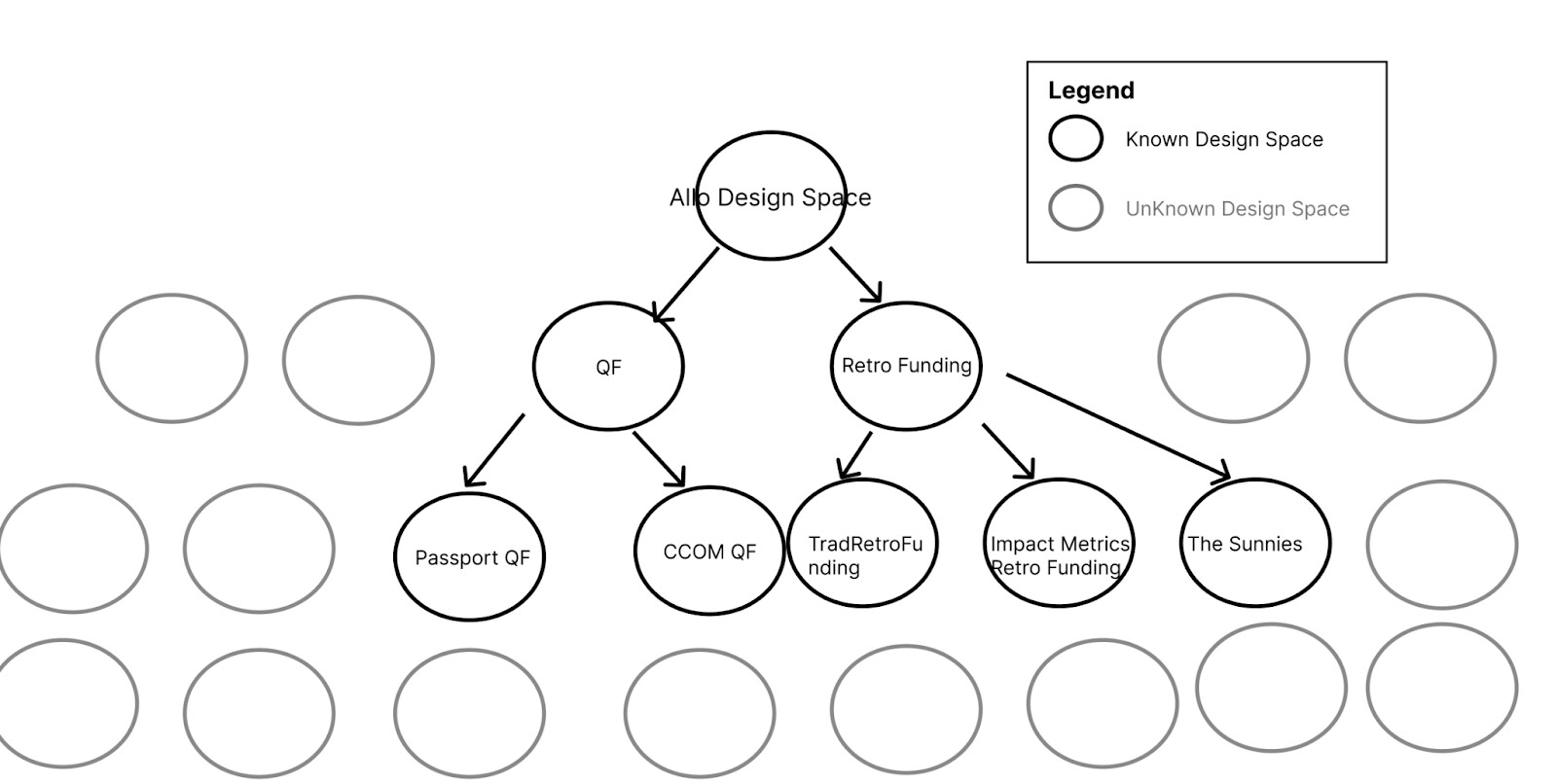
Exploring the Design Space in the Past
The journey for Gitcoin since our first QF campaign in 2019 has been an optimization of the Allo search space. We've been trying to maximize value creation for our partners each round, retrospecting after each round, channeling learnings from one round into the next.
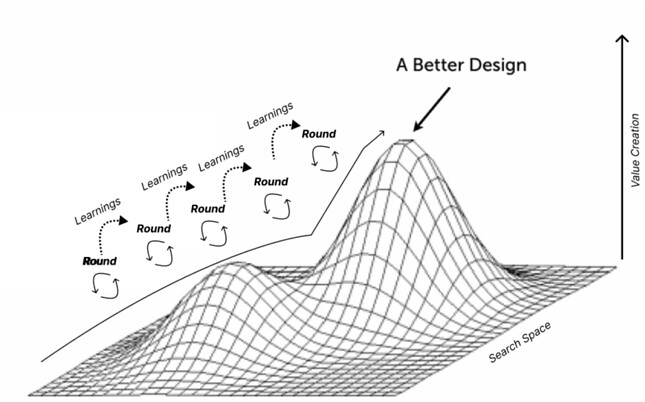
Sometimes, we have to take 2 steps backwards before we can take our next step forward — like when Gitcoin decided to deprecate cGrants and move towards a protocol-first future. Or when we had to fundraise. While these setbacks were occurring, they were all valuable learning experiences.
Over the last cycle, Gitcoin achieved $64.1M funding distributed via 5m unique donations via 250 funding rounds. But it also suffered false starts: PGN, Shell, BlueDAO. And it has seen the emergence of competing capital allocation tools: Protocol Guild ($100m+), Retro Funding ($100m+), Futarchy, Q/acc.
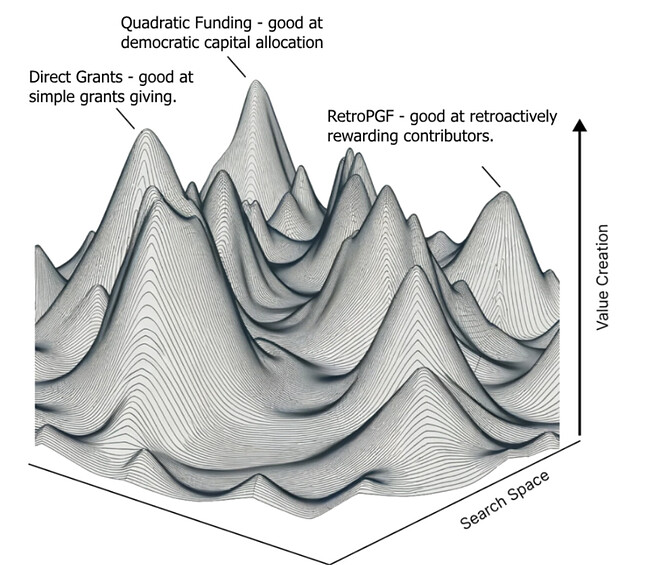
As 2022 turned to 2023, competitive projects sprang up that looked foreign to us. Protocol Guild is not a grants giving platform — it is a self-curated registry. When we first heard of Retro Funding, we did not realize it was a completely different paradigm from Quadratic Funding.
We learned that this is a pluralistic design space, with many local maxima.
Exploring the Design Space in the Future
In 2024, we began to rebuild and recognize that the future is going to be plural. A plurality of capital allocation mechanisms are going to dominate. We stumbled upon a powerful one early (QF), but it was not going to remain the only game in town.
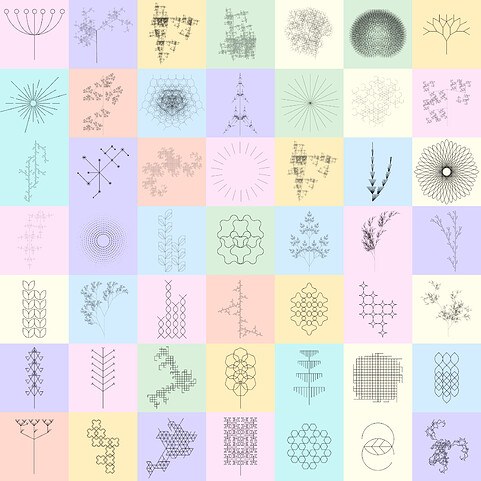
Practical Pluralism values diverse perspectives, methods, and ideologies.
If we can only do 1 or 2 things at once, how do we explore the design space?
Should we pursue a depth first search — going deep on a mechanism we know, like QF? Or should we go breadth first, playing on multiple fronts at once, but not having resources to dominate any of them?
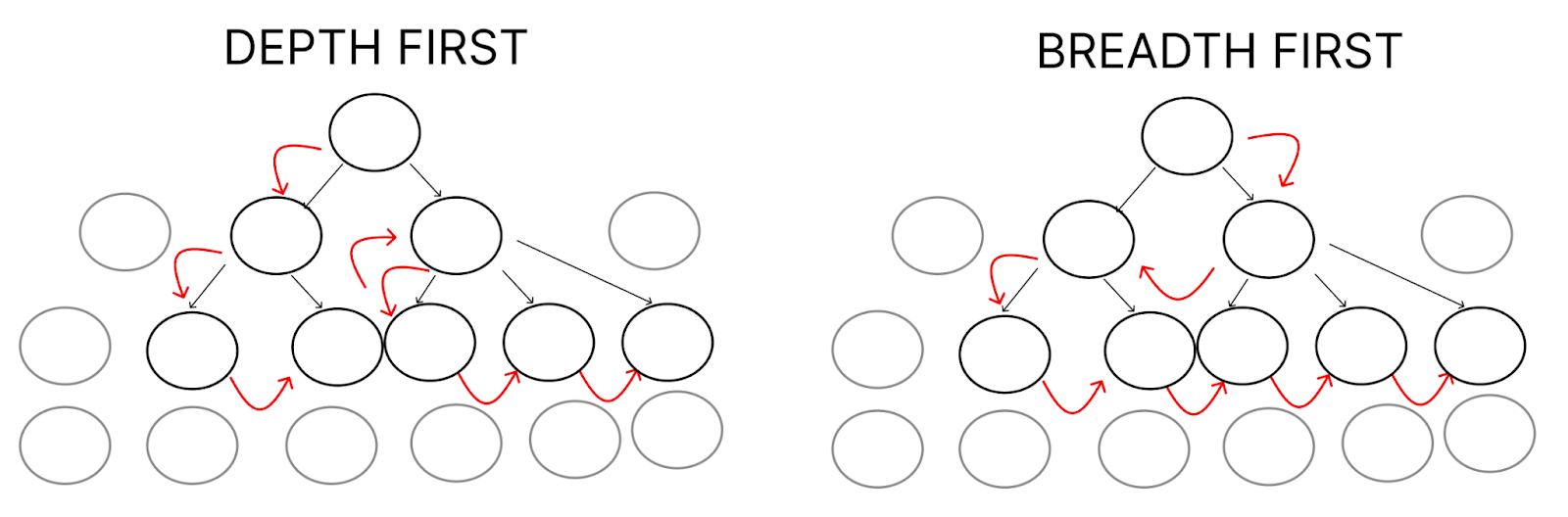
Perhaps there is a dynamic tension here between doing one thing well and incubating a pluralism of experiments at once.
One great outcome could be if we ever figure out a network-first exploration of the design space — where all of the top innovations come to us instead of us having to find them.
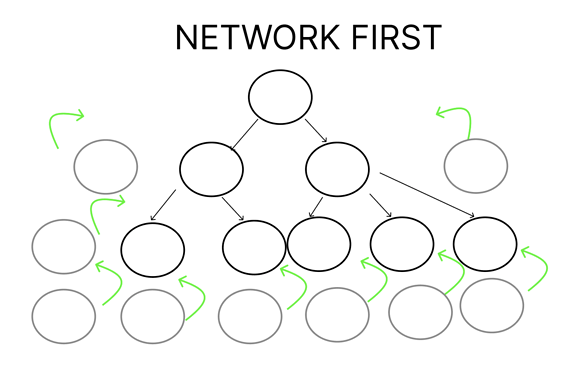
Should Gitcoin be more of a hierarchy — able to project force in 1 or 2 directions? Or a network — able to explore the design space multidimensionally?
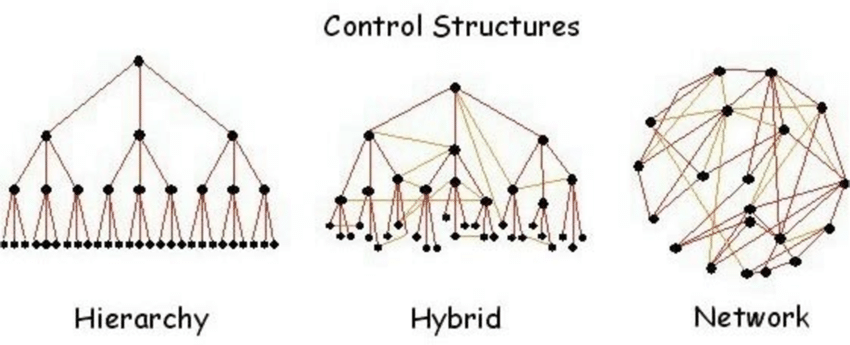
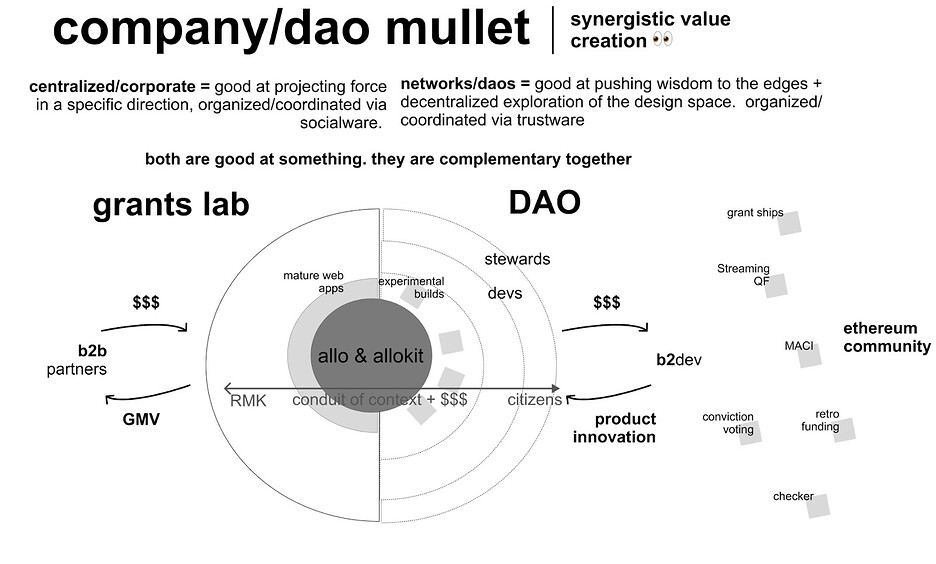
I think Gitcoin's final form resembles a network more than an organization, because a network is more fit for purpose to explore this design space. Networks harness edge-based wisdom and are great for exploring frontiers. They beat centralized, top-down authority any day.
Or maybe Gitcoin's final form is more of a hybrid — a combination org/network.
How Do We Build a Network?
We can leverage wisdom from Impact Networks — the strength of relationships and collaboration between network participants are the number one indicators of success.
To embrace a network mindset means:
- Scaling impact, not growing your organization
- Being part of an interconnected system, not the center of it
- Sharing leadership with peers, not hoarding power
- Building trust-based relationships, not systems of control
The way we do this is we embrace that we are part of an interconnected system — the Ethereum ecosystem, the regen ecosystem — and build our connectedness to it.
Partnership as the Mechanism
The basic mechanism of an interconnected Gitcoin is partnership. There are 3 layers to a DAO-to-DAO partnership:
- Social interoperability — Hold more schelling points for weaving
- Product/Technology interoperability — Get them building on Allo
- Economic interoperability — Share fees and tokens
How Might We Fundamentally Rethink Our Org?
There are 3 places that revenue will accumulate:
| What | Description |
|---|---|
| Services Revenue | Revenue provided via services |
| Protocol Fees & Token Locks | Fees paid to Allo protocol, token locks from protocol usage |
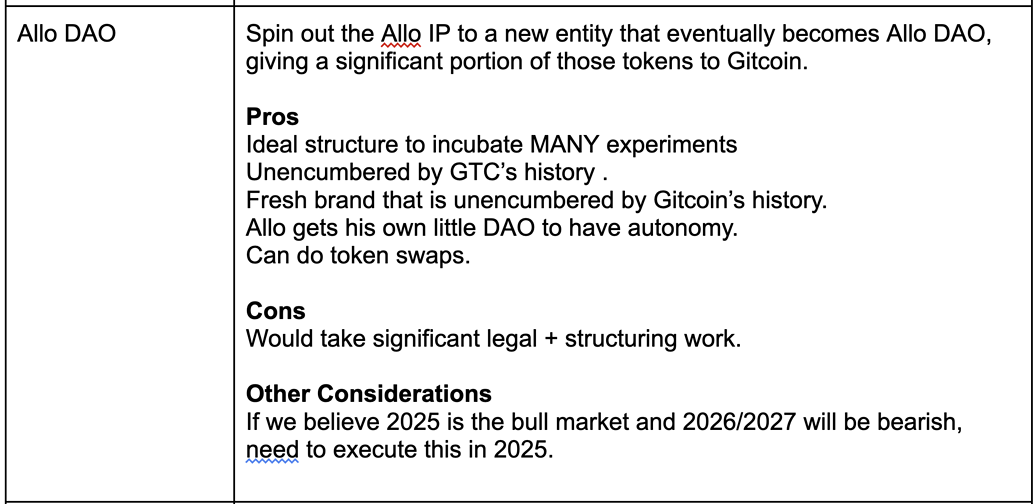
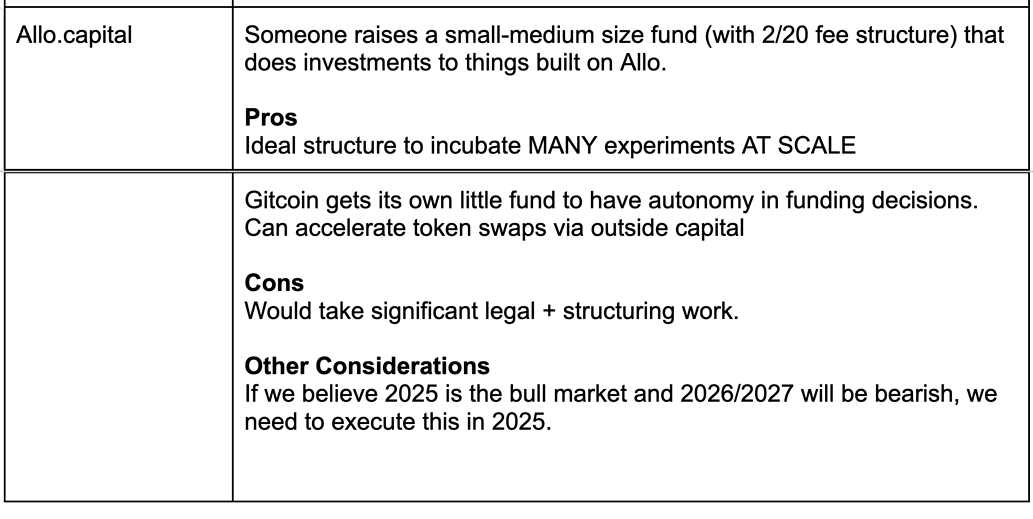
| Token Swaps | Recognize that the next capital allocation tools will not be built at Grants Lab — enable other Allo builds through an "Allo Frontier Index Fund" |
Conclusion
- One of Gitcoin's challenges is balancing depth vs. breadth in exploring capital allocation designs
- Gitcoin fell behind projects such as Protocol Guild and Optimism, but still holds significant influence and resources
- Future exploration could focus on building interconnected networks, partnerships, and fostering a pluralistic ecosystem — a network-first exploration where innovations come to us