
Overview
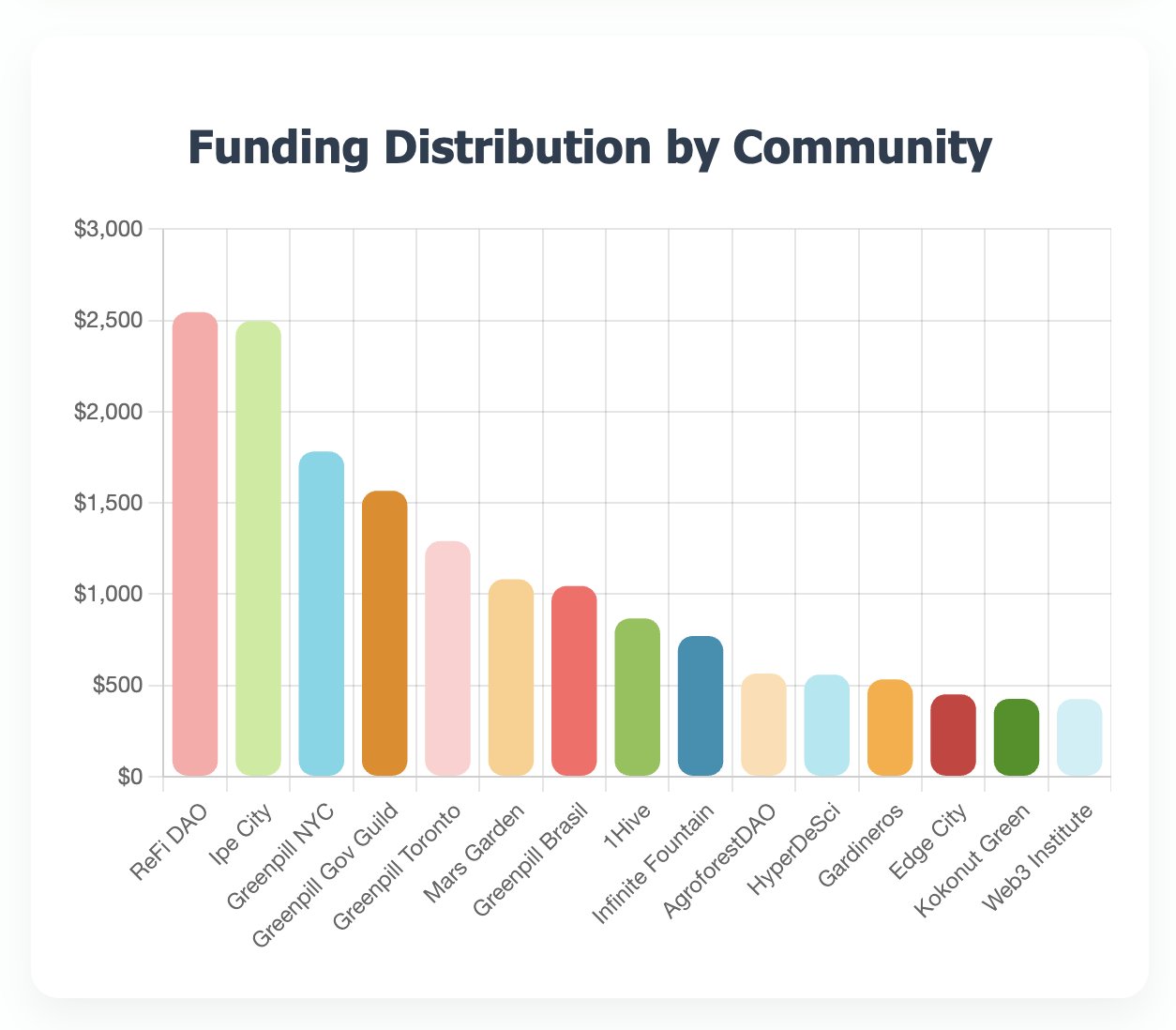
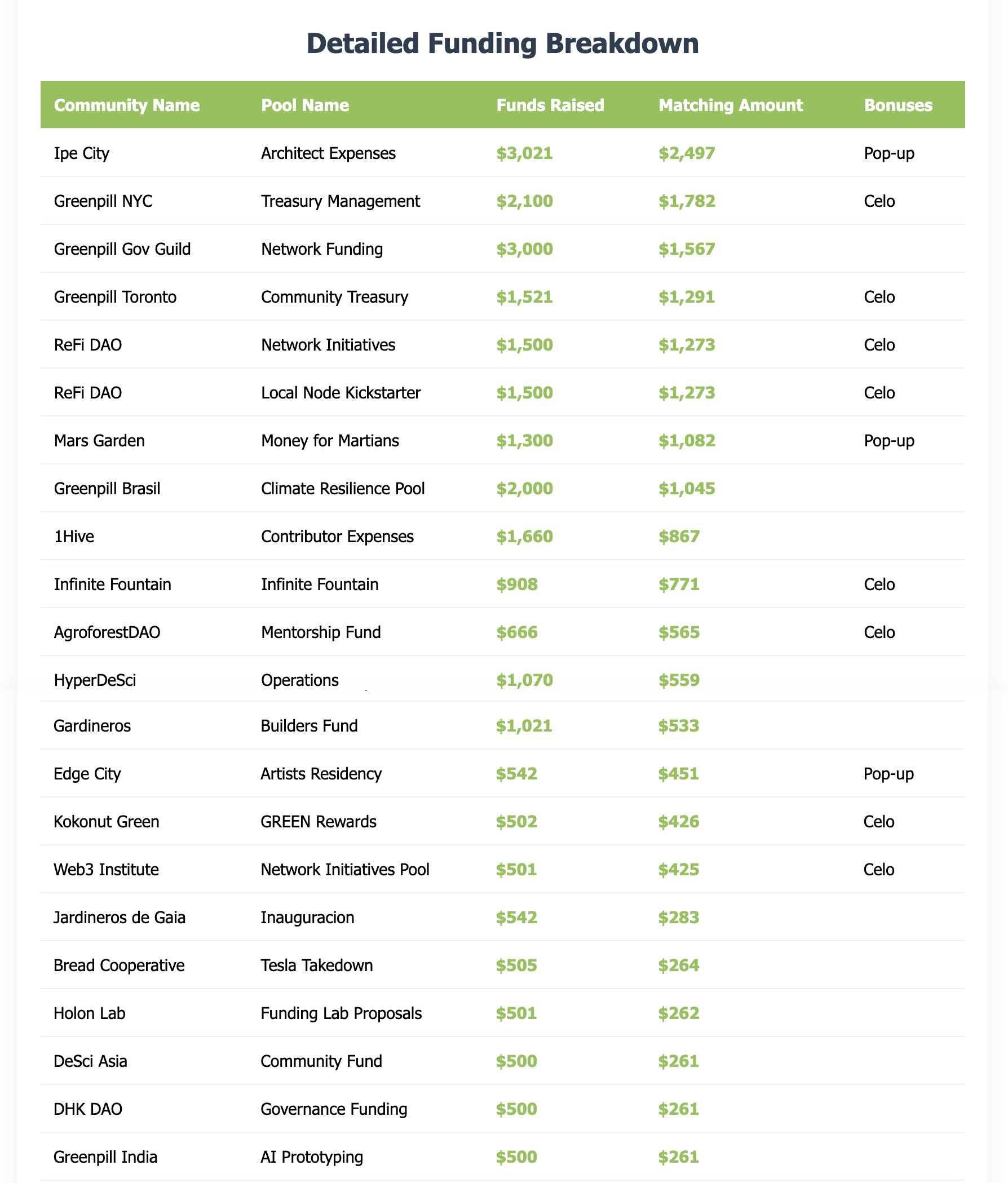
The Gitcoin Grants Garden GG23 Community Round transitioned from Quadratic Funding to Conviction Voting, supported by $30k in matching funds from Gitcoin, 1Hive, and Celo Public Goods. The initiative funded 21 communities across Ethereum open source software, pop-up cities, DeSci, climate initiatives, and political activism.
Key Financial Results
Total Funding: $60,659
- Community contributions: $25,900
- Gitcoin: $20,990
- 1Hive: $10,744
- Celo Public Goods: $3,000
Matching Distribution:
- $18,000 matching funds distributed
- 21 communities funded
- 1.7x average matching multiplier
- 104 unique participants
Allo Builders Track:
- $12,700 distributed
- 6 projects funded
- 27 governance participants
Round Structure
Three governance tracks operated with distinct purposes:
- Community Matching: Projects created Gardens communities and funding pools targeting specific needs
- Allo.Capital Builder's Fund: Milestone-based support for capital allocation builders
- Signaling Pools: Non-financial governance for ecosystem alignment, pain point identification, and Council elections
Participation required joining the Gitcoin Grants Garden, signing the Community Covenant, and staking 1 $GTC.
Community Feedback Scores
- Overall experience: 7.1/10
- Application ease: 6.8/10
- App interface intuitiveness: 6.3/10
- Ecosystem growth achievement: 7.0/10
Key Challenges Identified
Technical: Subgraph latency, UI/UX friction, wallet connectivity issues
Process: Community onboarding complexity, unclear token eligibility criteria, registration deadline pressure
Feature Requests: Improved submission workflows, mobile optimization, enhanced analytics, DAO tool integrations, multilingual support
Future Initiatives
- Incorporate UI/UX feedback into product roadmap
- Develop performance-based matching beyond funding metrics
- Expand ecosystem partnerships for GG24
- Maintain off-season governance engagement
- Advance Gardens tokenomics innovation
Conclusion
The round demonstrated conviction voting's viability as an alternative to traditional quadratic funding for sustainable, community-driven public goods allocation.