Introduction & Overview
The Token Engineering Commons executed a two-part grant program combining quadratic funding with retroactive funding mechanisms. They pursued two main objectives: expanding subject matter expertise in the allocation process and establishing accountability measures for grantees.
Goal #1: Subject Matter Expertise Integration
The TEC developed Tunable Quadratic Funding (TQF), described as "a sybil mitigation mechanism that boosts the influence of donors in the round who possess specific onchain signals."
In GG21, they implemented TQF within the Optimism ecosystem, weighting donations from OP Badgeholders and Delegates more heavily. This approach ensured that "funding decisions reflect both technical merit and strategic alignment with Optimism's vision."
Goal #2: Grantee Accountability
The GG23 retroactive funding round rewarded projects that executed on self-declared milestones. Grantees participating in GG21 could apply for GG23 funding based on demonstrated impact aligned with round objectives.
Grant Distribution Results
GG21 QF Round: $50,000 matching pool distributed across 18 projects, with Pairwise receiving $9,000 and Inverter Network $8,928.09.
GG23 Retro Round: $40,000 distributed to 9 of 18 original projects. Notable recipients included Superchain.Eco Initiatives ($5,474.53) and 1Hive Gardens ($5,354.65). Nine projects marked "DNP" (Did Not Participate).
Evaluation Process
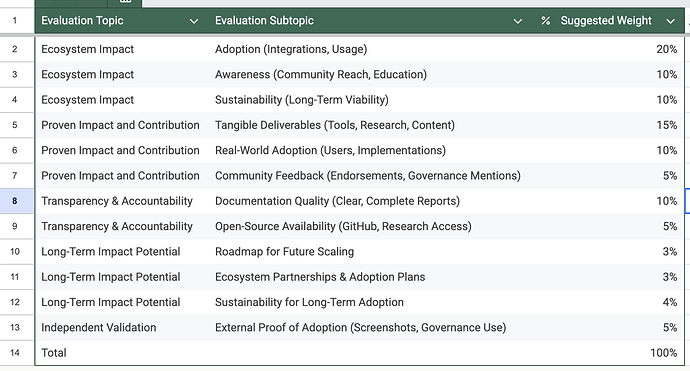
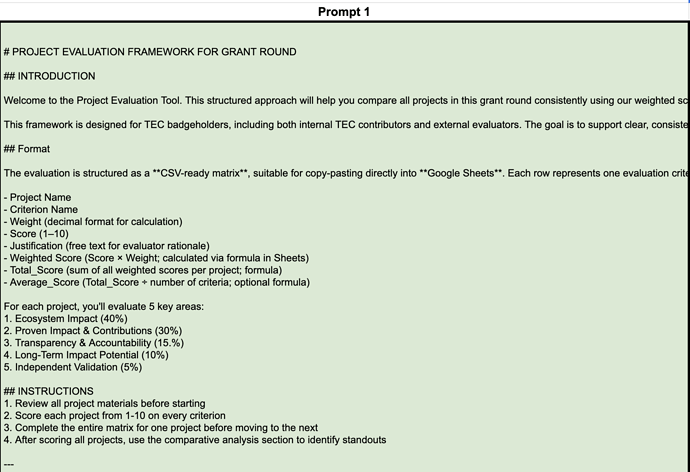
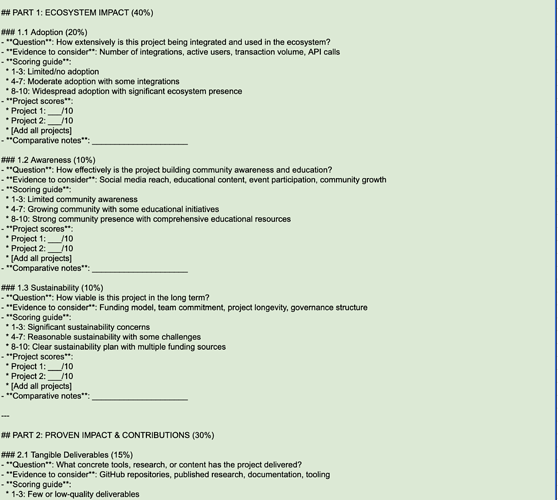
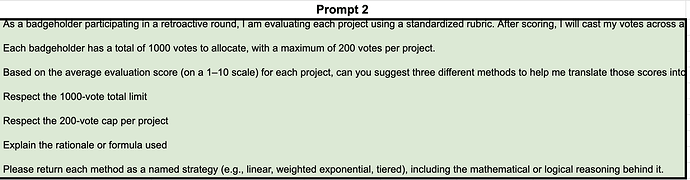
The TEC assembled a 10-member evaluation board including OP Delegates, Badgeholders, and token engineers. They employed an AI agent to score projects across 12 evaluation categories, allowing evaluators to set weighted priorities while mitigating bias.
Key Findings
Of 18 GG21 participants, only 9 applied for retroactive funding. Six projects proactively withdrew, with some noting misalignment between their development and Superchain ecosystem focus.
Critiques and Future Improvements
The program acknowledged three areas for refinement: narrowing focus on the OP Superchain limited participation; milestone development lacked structured review checkpoints; and the AI evaluation process proved more complex than anticipated.
Future iterations may shift resources toward larger retroactive pools with enhanced milestone management support.