Source: Gitcoin Governance Forum
TLDR
Slime molds explore environments efficiently without central control, suggesting how platforms like Gitcoin can discover and capitalize on Web3 funding opportunities by exploring in parallel, documenting lessons learned, and converging on high-value areas.
Slime Molds: The OG Decentralized Value Networks
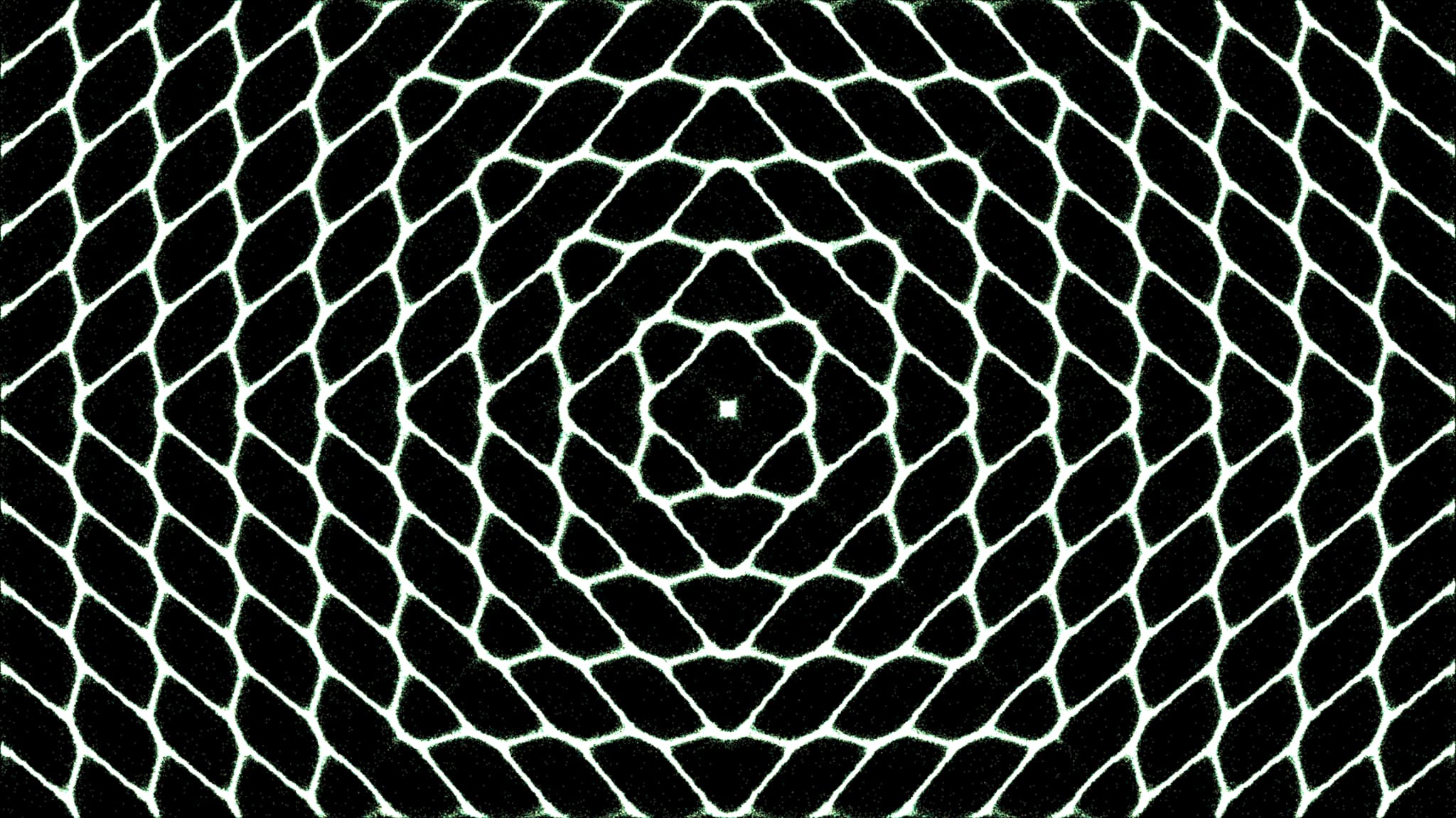
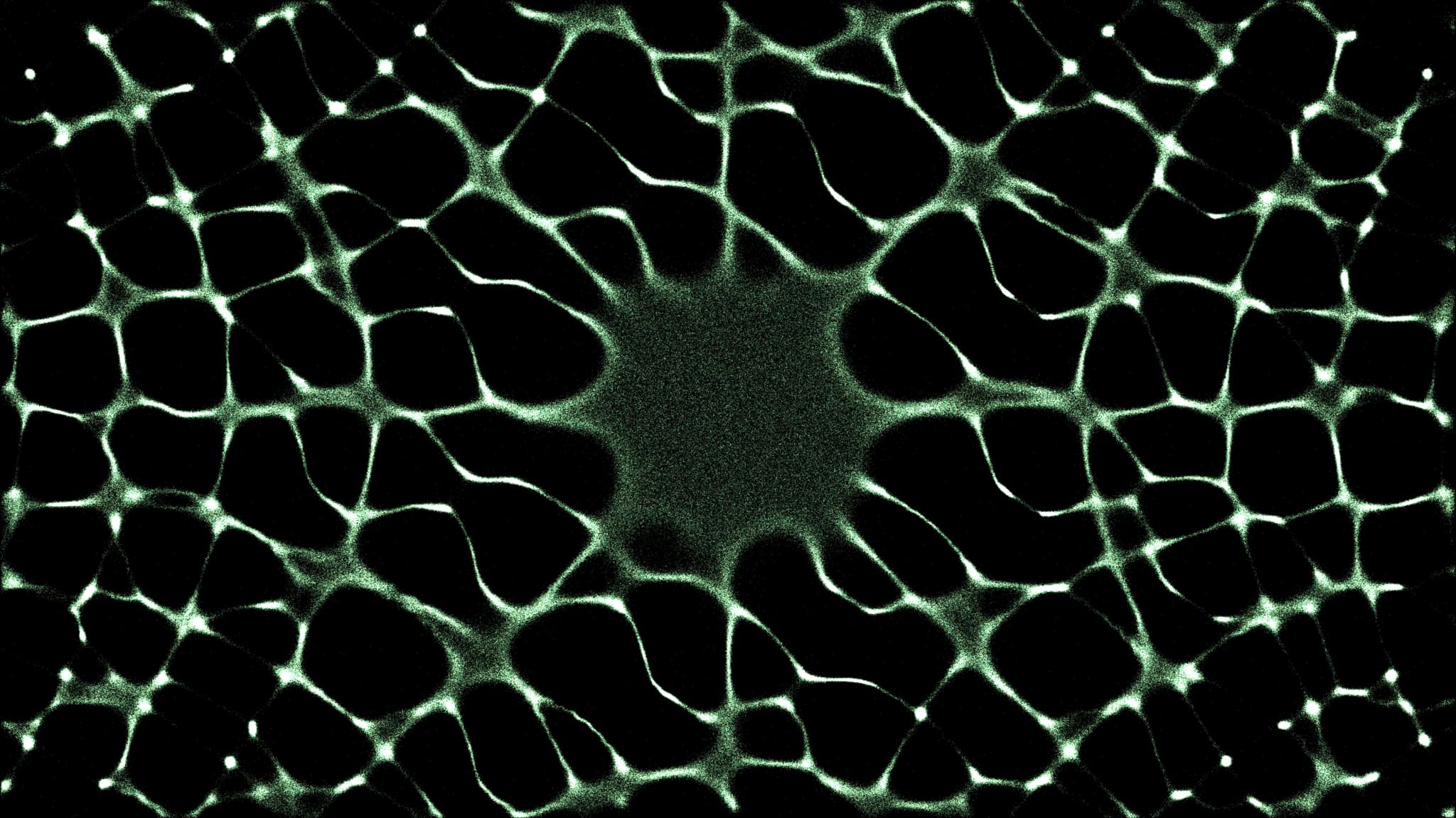
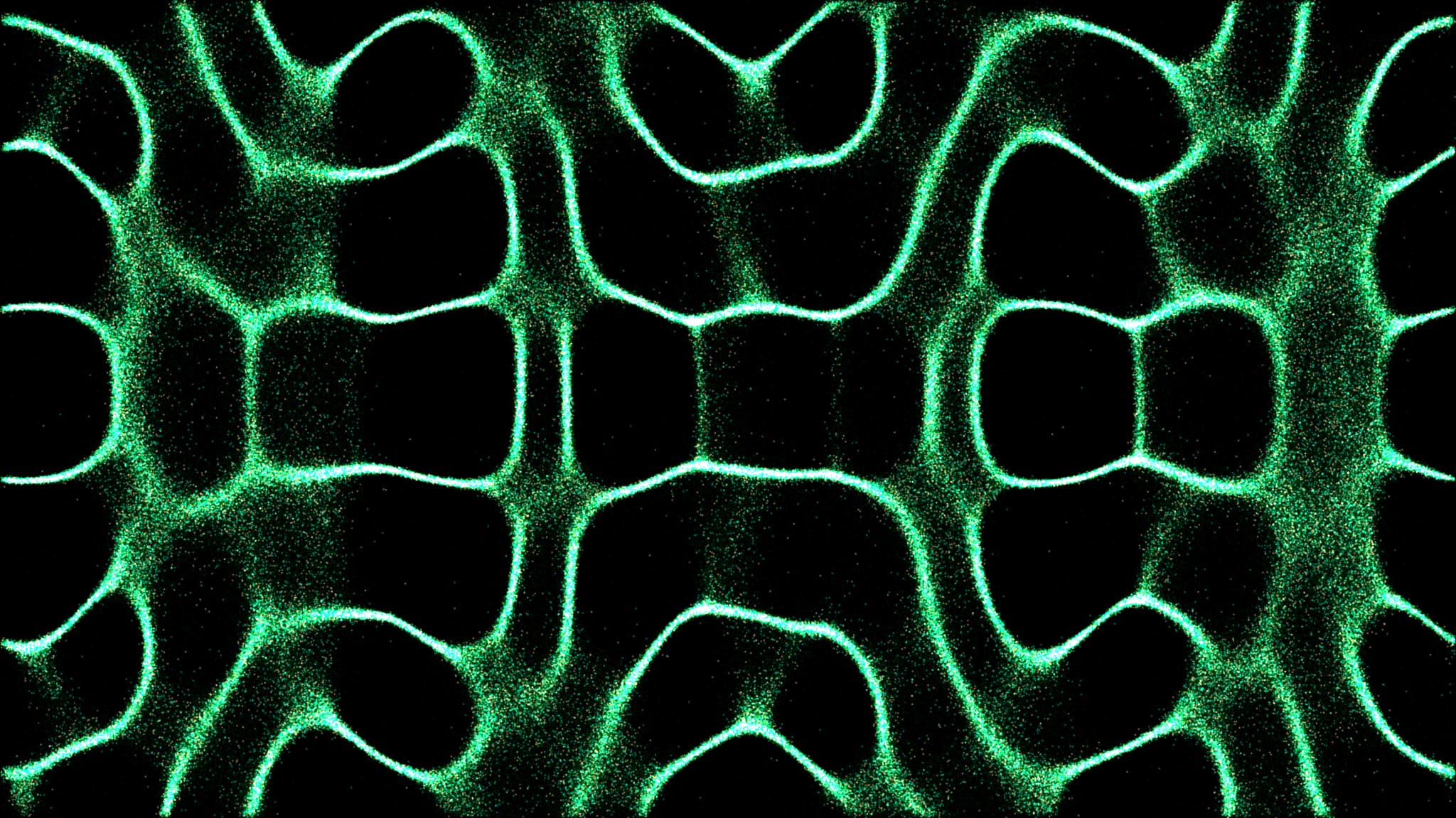
Slime molds serve as biomimetic inspiration for DAO design because they operate as networked organisms without brains or central nervous systems. These organisms employ spatial memory and optimized search patterns to locate food sources.
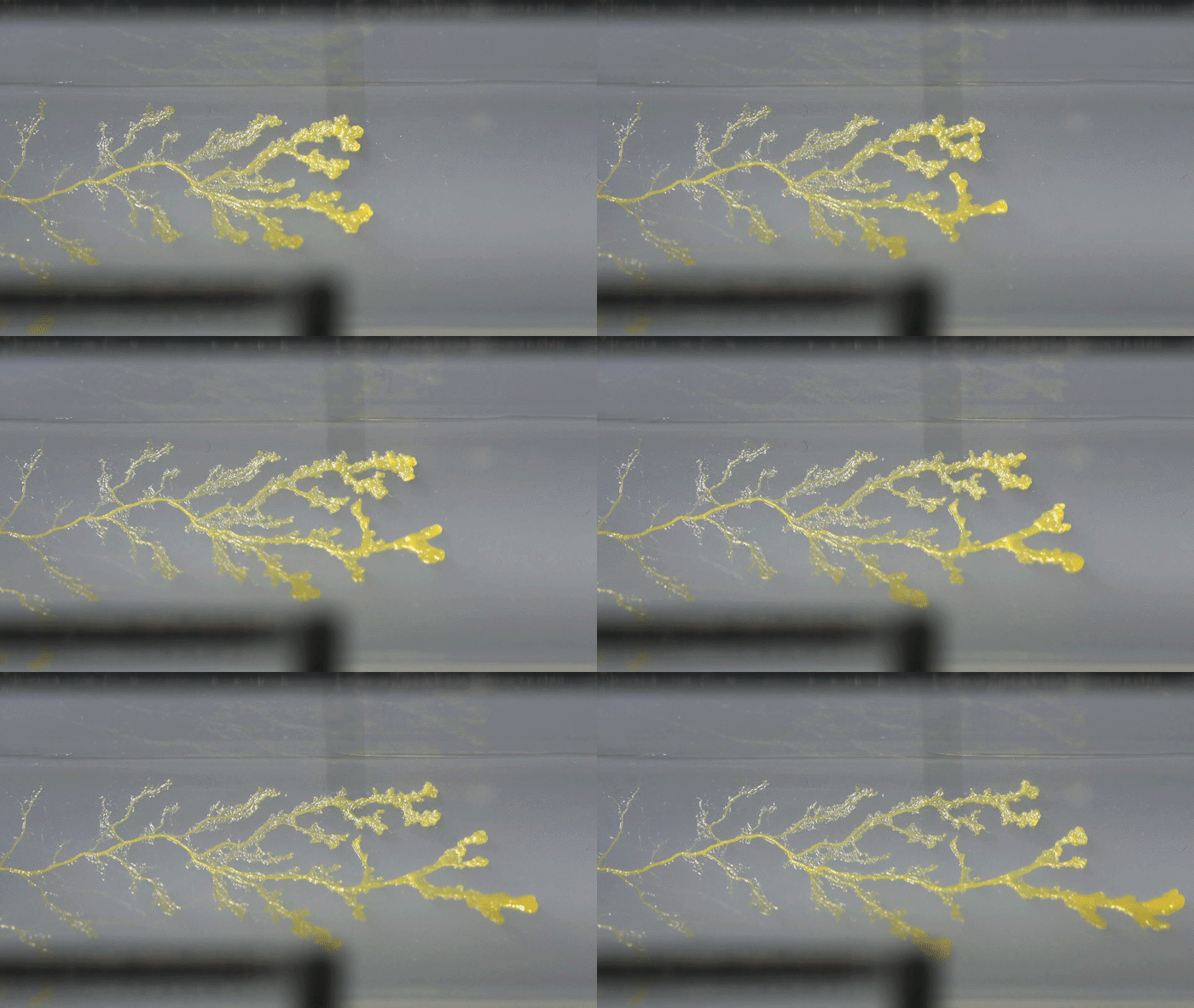
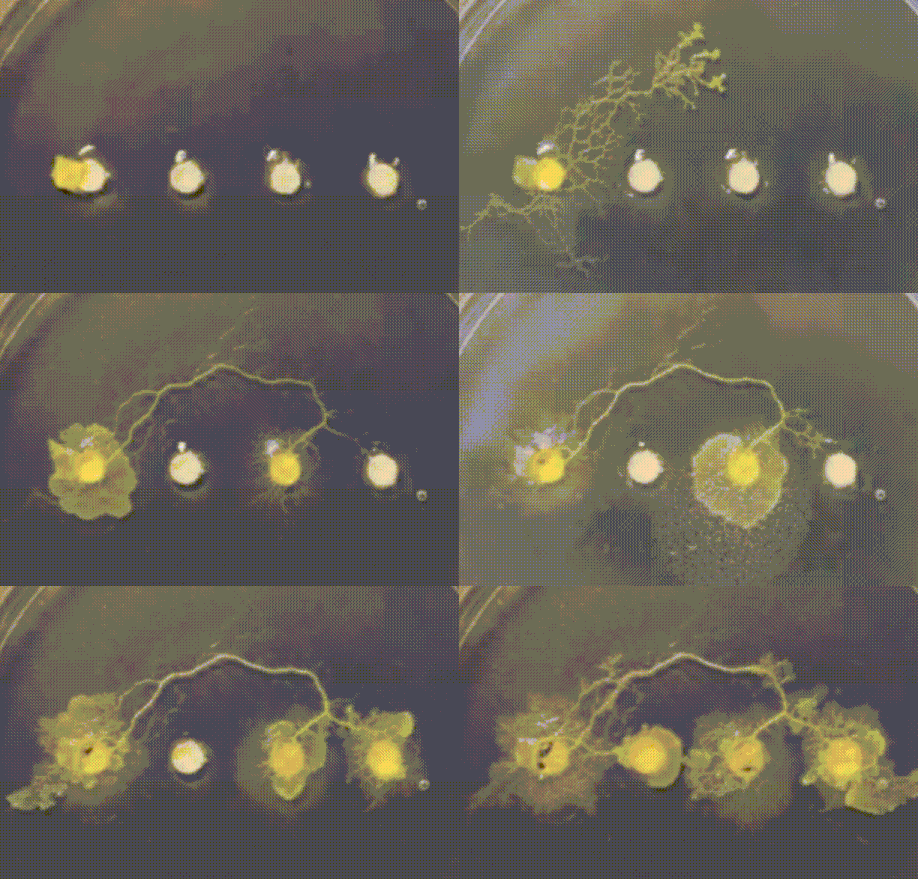
When encountering food sources like bacteria or organic matter, slime molds extend tube-like structures (pseudopodia) and leave behind slime trails. These trails function as a memory system, preventing revisits to already-explored areas. The organism extends toward unexplored regions while retracting from nutrient-poor zones, enabling efficient route-finding and maze-solving abilities.
Application to Capital Allocation
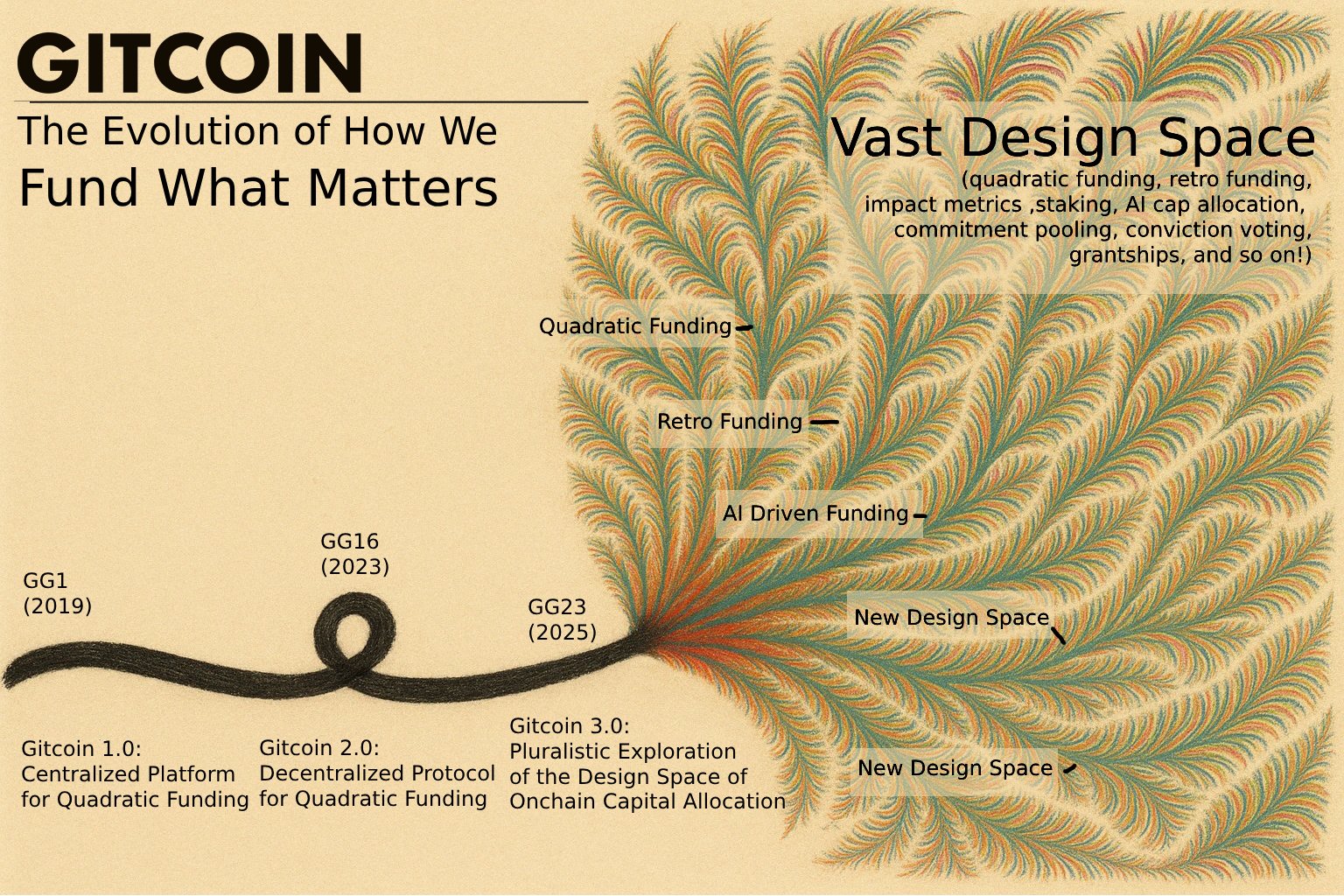
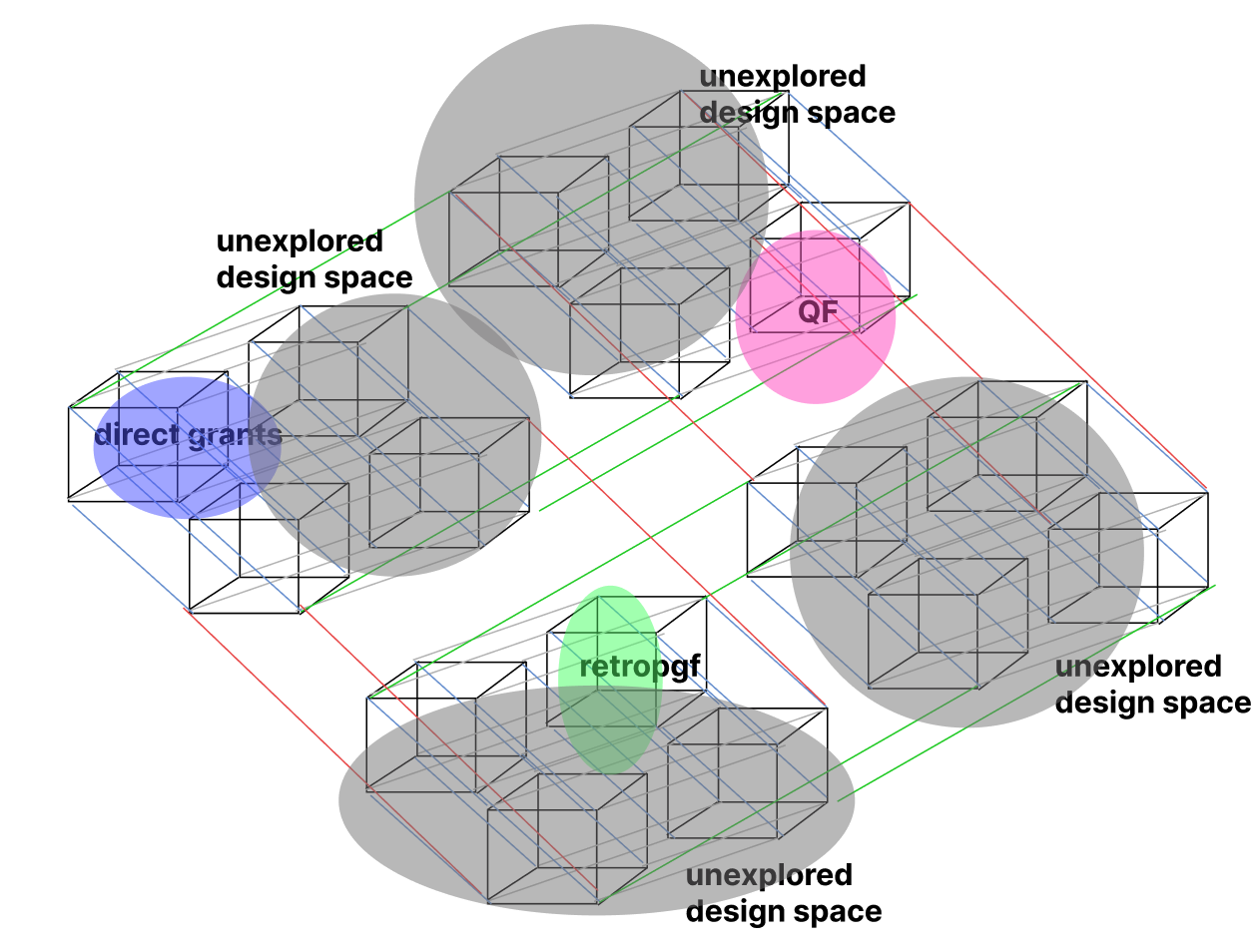
Gitcoin operates within a multidimensional design space containing multiple billion-dollar opportunities for crowdfunding mechanisms.
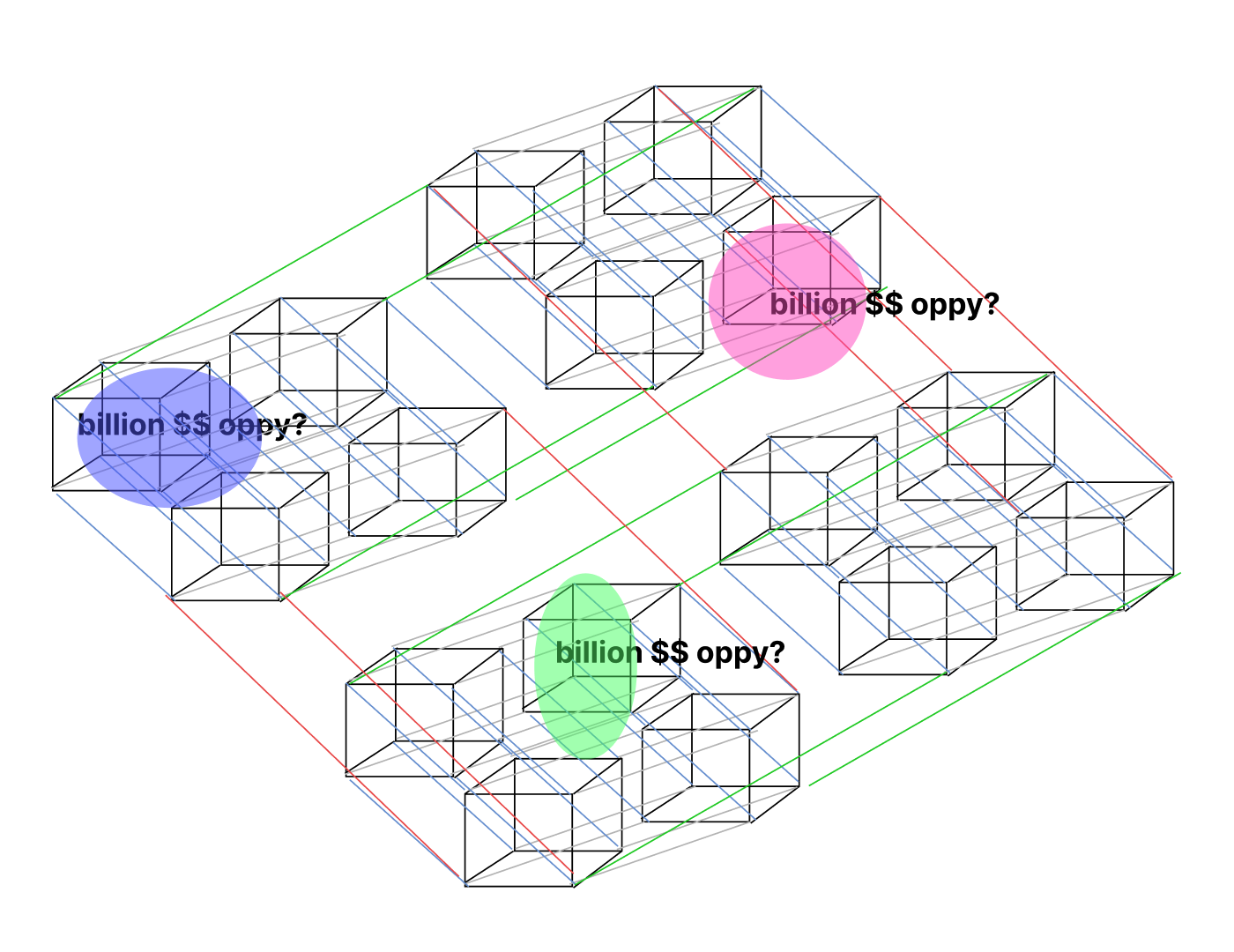
The slime mold model suggests two operational modes:
1. Explore
Memory: Learn publicly by documenting findings about the design space so the entire regen ecosystem benefits from collective exploration efforts.
Efficiency: Search efficiently in parallel, remaining lean while exploring new design spaces. The Allo Protocol enables rapid prototyping of new applications within days or weeks.
2. Enrich
When resources are found, slime molds engulf and break them down using enzymes. Key takeaways include:
- Finding resources requires different tactics than exploiting them
- Engulf problems and decompose them into component parts
- Investment scale should match the size of discovered opportunities
Exploration Progress
Three identified resource areas within the design space:
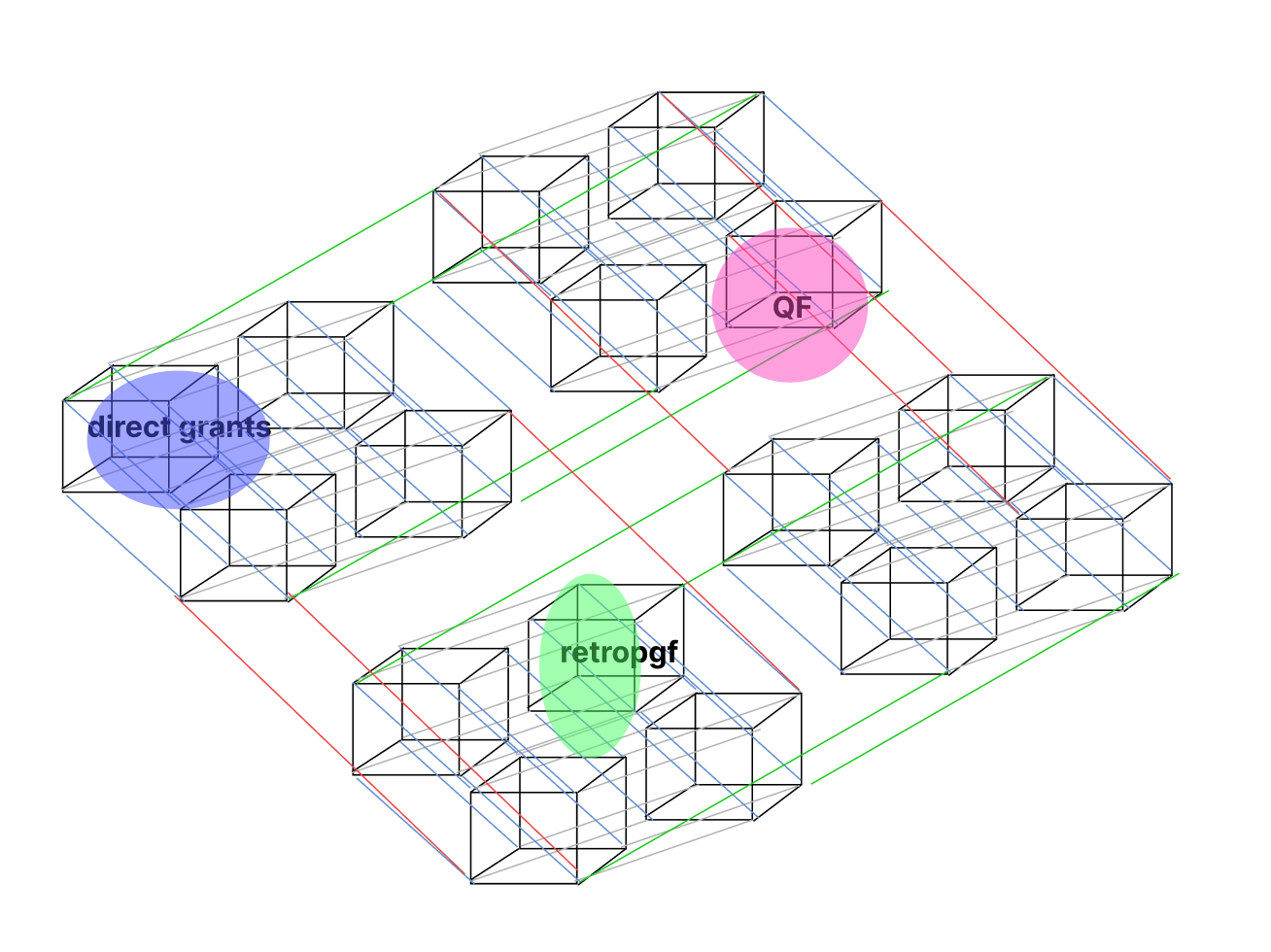
- Quadratic Funding (QF) — TAM approximately $20 million annually, located in the democratic and sybil-resistant area
- Retroactive Public Goods Funding (RetroPGF) — TAM approximately $40 million annually, in the retroactive design space
- Direct Grants — TAM $10-100 million annually, in the "simple" design space area with competitive dynamics
Future Direction
The evolution moves from quadratic funding toward a pluralistic open source exploration of the design space of onchain capital allocation. The call is to explore unexplored design space areas in parallel with enrichment efforts on known opportunities.